Buying a refurbished laptop is a different process from buying new. The specifications matter, but so do the cosmetic condition, the warranty, the testing the device has undergone, and the seller's reputation. Getting all of these right is what separates a strong refurbished purchase from a frustrating one.
This guide covers the key areas worth checking before buying: grading, quality testing, warranty and return policy, and seller reputation. We’ll also cover the specs you need, depending on what you want to use your brand-new refurbished laptop for.
Refurbished Laptop Grades
The first thing to check on any refurbished listing is the cosmetic grade. Refurbished laptop grades describe the visible condition of the device - they do not affect the hardware specifications or how the laptop performs, only how it looks.
Most professional refurbishers use a tiered system. At Orbit365, refurbished laptop grades are split into five tiers:
-
New Sealed Box - unused and still in original sealed packaging.
-
New Open Box - unused, but the packaging has been opened. All accessories included.
-
Platinum Grade - virtually indistinguishable from new. No visible cosmetic marks.
-
Gold Grade - minor signs of previous use, otherwise in excellent condition. Strong value for money and still presents well in professional settings.
-
Silver Grade - more visible wear such as scratches or scuffs. Fully tested and functional, and the most affordable option for buyers who prioritise performance over appearance.
All grades pass the same hardware testing process. The choice between them comes down to budget and how much cosmetic condition matters for the intended use - a Silver Grade machine performs identically to a Platinum one, at a lower price.
Hardware Testing and Quality Standards
A laptop quality check is the single most important part of professional refurbishment. It is also the area where the difference between a specialist refurbisher and a private seller is most obvious - a used laptop from a marketplace comes with no testing record, no quality control and no guarantee that the hardware works as advertised.
A reputable refurbisher will run a laptop quality check on every device before listing it for sale.
The standard process covers:
-
Battery health - capacity tested against a minimum threshold, with replacement if it falls below standard.
-
Storage performance - SSD or HDD tested for read/write speeds and bad sectors.
-
Screen condition - inspected for dead pixels, backlight bleed, scratches and discolouration.
-
Keyboard and trackpad - every key tested, trackpad checked for responsiveness and accuracy.
-
Ports and connectivity - USB, HDMI, audio, network and webcam all verified.
-
System stability - the laptop is run through diagnostic software to confirm CPU, RAM and motherboard are functioning correctly.
-
Operating system - all previous data wiped, with a clean installation of Windows 11 Pro applied to the device.
Microsoft-authorised refurbishers are required to follow a defined refurbishment standard, including a clean Windows installation with a genuine licence. This is worth checking on any refurbished listing, particularly when comparing sellers.
Warranty and Return Policy
The warranty and the laptop return policy are the two practical safeguards that separate buying refurbished from buying used. Both should be clearly stated on every product listing - if they are not, that itself is a warning sign about the seller.
Warranty
12 months is the benchmark to look for on a refurbished laptop warranty. Anything shorter than this suggests the seller is not confident enough in the device to back it for a full year, and shorter warranties tend to correlate with less rigorous testing.
A 12-month warranty also provides meaningful cover during the period when faults are most likely to appear if the testing missed anything.
Return Policy
A clear laptop return policy is the second safeguard. 30 days is the standard return window among specialist refurbishers, and gives buyers a practical opportunity to test the laptop in their actual working environment before committing to the purchase.
Look for a few specific things in the laptop return policy: whether the return is free, whether the device must be in original condition, and how refunds are processed. A 30-day free returns policy with no restocking fees is the strongest signal that a seller stands behind what they sell.
Retailer Reputation
Specification, warranty and grade only matter if the seller is reliable. A well-specified refurbished laptop from an unknown source is a worse purchase than a modest one from a trusted refurbisher, because the safeguards above only work if the seller actually honours them.
Several practical signals help separate reputable refurbishers from less reliable sellers:
-
Independent reviews - established refurbishers will have a substantial volume of customer reviews on independent platforms such as Trustpilot or Google. A handful of glowing reviews on the seller's own site is not the same thing.
-
Microsoft authorisation - the Microsoft Authorised Refurbisher programme requires sellers to meet defined refurbishment, software licensing and customer service standards. Authorised status is a meaningful indicator of credibility.
-
Clear company information - a registered UK business with a physical address, contact details and published terms of service is a different proposition from an anonymous online seller.
-
Stock and inventory - a refurbisher with a real, varied inventory of tested machines is operating differently from someone listing the occasional second-hand laptop alongside other items.
-
Customer support - direct contact options (phone, email, live chat) suggest a seller equipped to handle issues if anything goes wrong after purchase.
What to Prioritise Depending on How You Will Use It
The general checks above apply to every refurbished laptop purchase, but the specifications and features worth prioritising change depending on what the laptop will be used for. The summary below covers the main points to focus on for each.
Home Use
For home use, focus on a modern processor, an SSD and at least 8GB of RAM. Screen size matters more than processing power - 14 to 15-inch models are comfortable for streaming and shared viewing. Battery condition is also worth checking, since home laptops are often used away from a charger.
Study
For study laptops, portability and battery life are the top priorities. A 13 or 14-inch machine under 1.5kg is ideal for daily carrying, and a tested battery with verified capacity is more important here than in most other categories. 16GB of RAM gives enough headroom for several years of academic software demands.
Business
For business laptops, build quality, keyboard comfort and security features take priority over raw specifications. Look for ex-corporate ranges such as Dell Latitude, Lenovo ThinkPad and HP EliteBook, with TPM chips, fingerprint readers and docking station compatibility as standard. 16GB of RAM is the practical baseline.
Gaming
For gaming laptops, the dedicated GPU is the single most important component - check the model and generation, as this determines what titles the machine can actually run. Cooling matters too: gaming laptops run hard, and thermal performance affects both speed and long-term reliability.
Workstation
For workstation laptops, the priority is sustained processing power and certified graphics. Models such as the Dell Precision range are built for CAD, 3D rendering and video editing. 32GB of RAM and a 512GB or larger SSD are reasonable starting points for serious creative and engineering workloads.
The Refurbished and Used Laptop Checklist
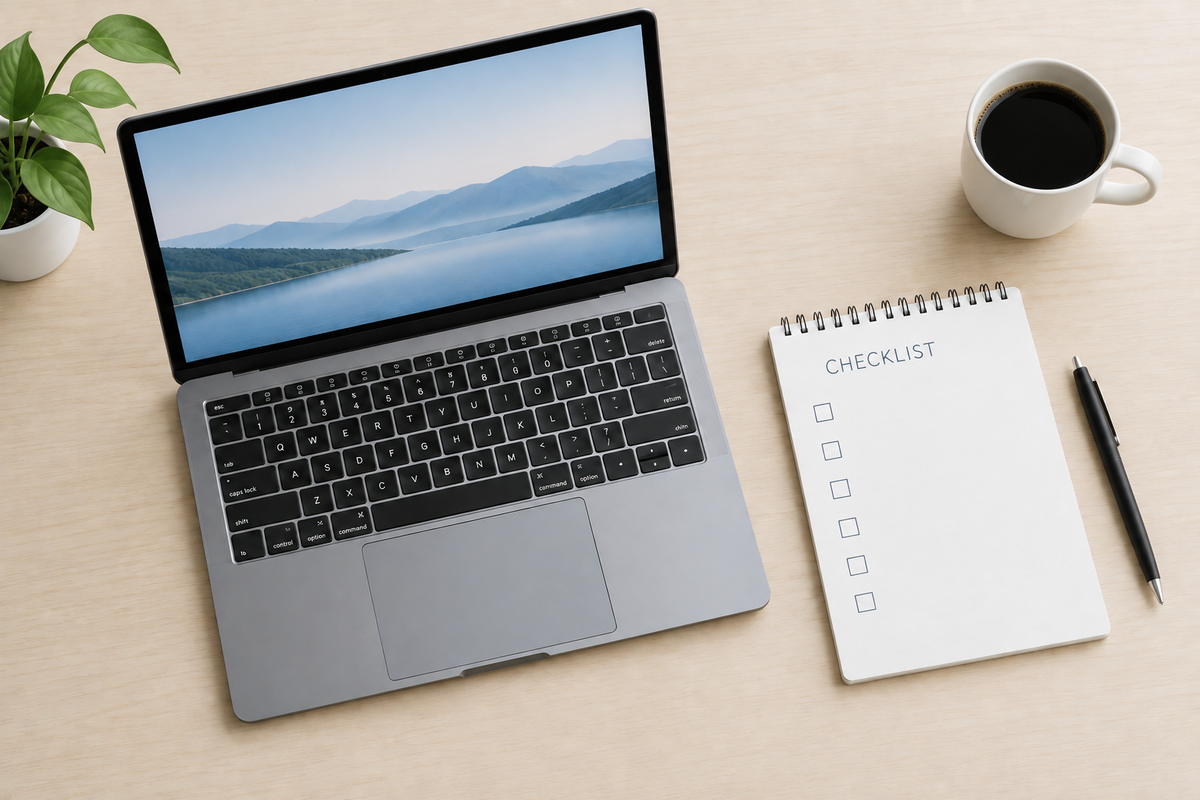
With all of the above in mind, the checklist below brings every point together in one place. It is designed to be worked through before any refurbished or used laptop purchase, and splits into two parts: the hardware specifications worth verifying on the listing, and the purchase factors that sit around them.
A few minutes with this list will help you buy your next refurbished laptop with confidence.
Specification Checks
-
Processor - Core i5 or i7, or Ryzen 5 or 7, from the last four generations. Generation matters as much as the tier.
-
RAM - 16GB is the recommended baseline for most users. 8GB is acceptable for light home use only. 32GB for heavy multitasking or creative software.
-
Storage - SSD is essential. 256GB is the minimum; 512GB is more comfortable; 1TB is for users working with large files locally.
-
Display - IPS panel preferred for viewing angles and colour. 1080p is sufficient for most use cases, with anti-glare finishes easier on the eyes for long sessions.
-
Battery condition - check whether the battery has been replaced or tested against a minimum capacity threshold.
-
Build quality - metal or magnesium chassis hold up significantly better than plastic over years of daily use.
-
Graphics - integrated graphics handle standard tasks. A dedicated GPU is only needed for gaming, CAD, 3D rendering and video editing.
Purchase Checks
-
Grade - is the cosmetic condition clearly stated, with a defined grading system?
-
Testing - has the laptop been through a quality check covering battery, screen, ports and stability?
-
Operating system - is the laptop supplied with a clean, licensed installation of Windows or macOS?
-
Warranty - is the warranty period at least 12 months, with hardware cover clearly defined?
-
Return policy - is there a 30-day return window, and are returns free of charge?
-
Seller reputation - independent reviews, Microsoft authorisation, registered UK business?
Refurbished Laptop FAQs
What do refurbished laptop grades actually mean?
They describe cosmetic condition, not performance. Lower grades show more visible wear, like scratches or scuffs, but all devices pass the same hardware tests.
Importantly, all grades pass the same hardware testing process.
What does a laptop quality check involve?
Battery, storage, screen, keyboard, ports, connectivity and system stability are all tested, plus a clean OS install.
How long should a refurbished laptop warranty last?
12 months is the standard. Shorter warranties often suggest less thorough testing.
What should a good laptop return policy include?
A 30-day window, free returns, no restocking fees, and a clear refund process.
Are lower-grade refurbished laptops worth buying?
Yes. They may look worn but perform the same, making them great value if appearance isn’t a priority.